Comments Off on Develop a Marketing Strategy using SWOT Analysis
Develop a Marketing Strategy using SWOT Analysis
Why SWOT Analysis Matters
For many businesses, deciding where to focus time, energy, and resources can be a challenge. A SWOT analysis is a practical and effective tool that helps identify where your business needs the most attention—so you can make smarter, more strategic decisions.
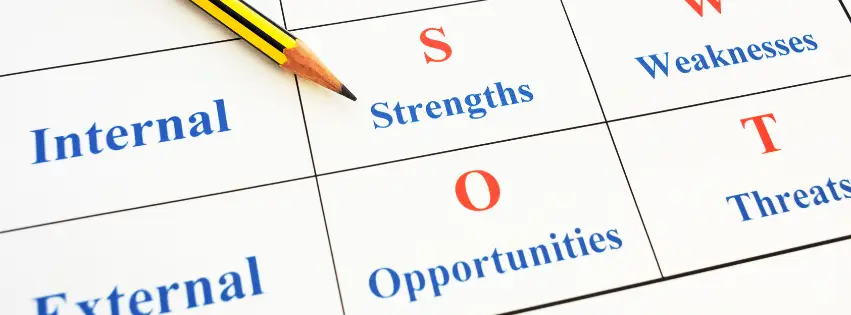
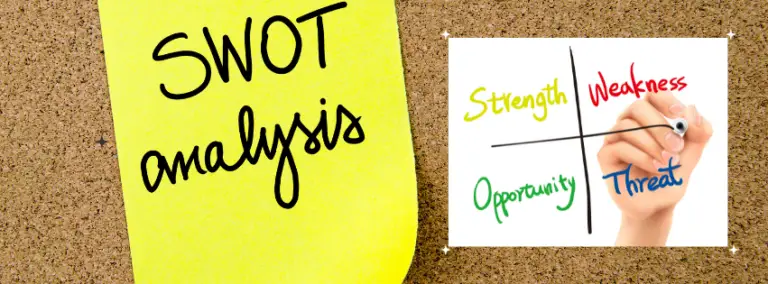
SWOT stands for Strengths, Weaknesses, Opportunities, and Threats. It is a simple framework used to evaluate both internal and external factors that can impact your business growth. Strengths and weaknesses typically reflect what is happening inside your business, while opportunities and threats are often influenced by outside forces such as market conditions, competition, technology, and industry trends.
A SWOT analysis is not a one-time exercise. It should be used as an ongoing strategy to help your business adapt, improve, and remain competitive as conditions change. When revisited regularly, it can reveal new opportunities, highlight areas for improvement, and support more informed business and marketing
A well-developed SWOT analysis helps businesses:
Identify competitive advantages
Uncover gaps that may be limiting growth
Recognize market opportunities
Anticipate risks before they become major challenges
Build a stronger, more focused marketing strategy
It also gives organizations a clear view of both positive and negative factors affecting performance, making it easier to prioritize next steps and allocate resources effectively.
How to Get Started
SWOT EXCERCISE
Using a piece of paper, fold it to create 4 sections – one section for each category. Alone or with your team, start analyzing your Strengths, Weaknesses, Opportunities and Threats. One by one start creating a strategy on how to approach each one, identifying priorities for each.
STRENGTHS
Start by identifying what your business does well. It can be especially useful to evaluate your strengths in comparison to competitors.
For example, if your company is known for exceptional customer service and your competitors are not, that becomes a meaningful differentiator. Pricing and Experience can also be huge strengths
Consider questions such as:
What problem does your business solve?
What are your competitive advantages?
What do customers or partners see as your strengths?
What helps your company win business?
WEAKNESSES
This section requires honesty.
Identifying weaknesses can be uncomfortable, but facing them directly is essential to long-term success. Weaknesses often reveal the operational, marketing, or financial areas that need improvement.
Identifying weakness can be an area where you may need to push hard to get to the truth. Often we don’t want to admit to these, but being able to face the unpleasant truth is imperative to success.
Ask yourself:
What could be improved?
What has not worked in the past, and why? Key leanings of what’s hasn’t worked in the past
What feedback have customers provided?
What may be impacting sales or limiting ROI?
Are your pricing, packaging, or processes aligned with your goals?
OPPORTUNITIES:
A good approach is looking at ways you can find opportunities in a strength or weakness already identified.
These may include market shifts, audience needs, technology advancements, local partnerships, or changes in consumer behavior that your business can leverage for growth.
Think about:
What trends are happening in your business or industry?
How can technology support growth?
Are there changes in your market, community, or customer behavior that create opportunity?
Are there events, partnerships, or grassroots efforts that can increase visibility and revenue?
Threats
Similar to Weaknesses, you will need to really be truthful and find areas where Threats can truly impact your business.
Threats are external challenges that could negatively impact your business if not addressed proactively. These might include stronger competition, economic pressures, changing industry standards, or a lack of digital infrastructure.
Questions to consider:
What obstacles is your business facing right now?
How is the competitive landscape changing?
Is a lack of digital tools or technology putting your business at risk?
Are debt, cash flow, or market pressures affecting stability?
Revisit your SWOT Analysis regularly – typically every 2-3 months, to identify improvements and/or additional challenges that may arise due to trends, new competition, etc.